
What if we could use the natural patterns of growth in one patient to design solutions for others—revolutionizing craniofacial care through technology, creativity, and compassion?
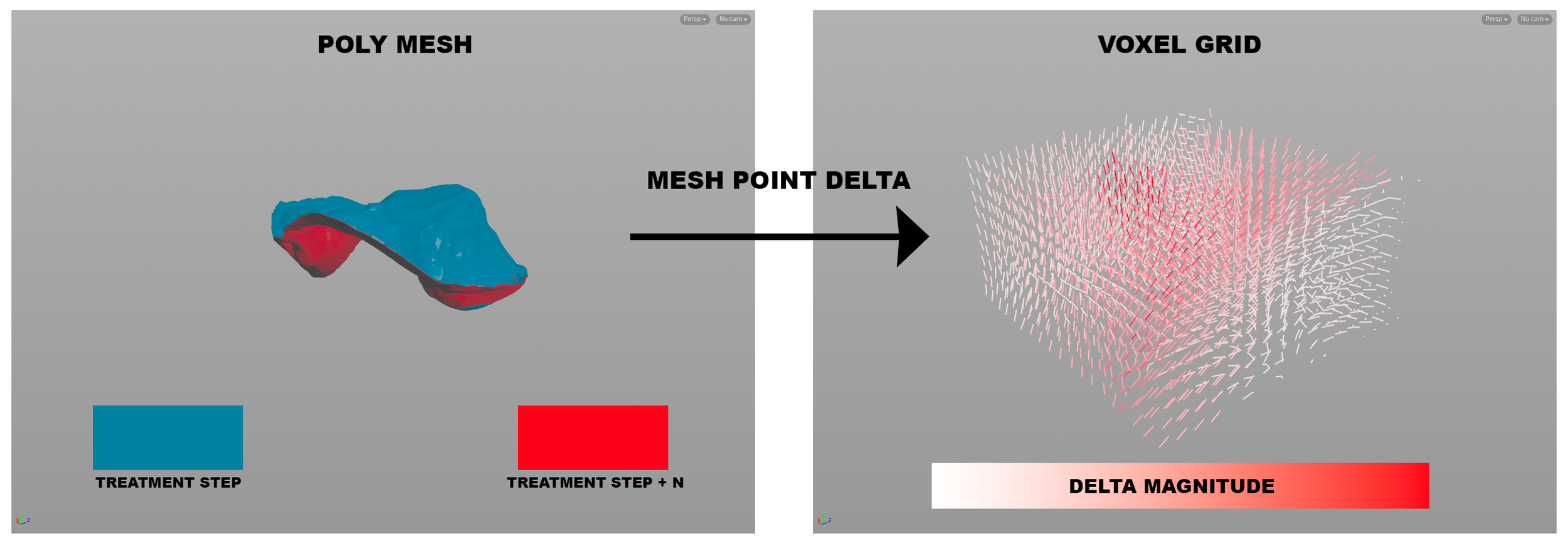
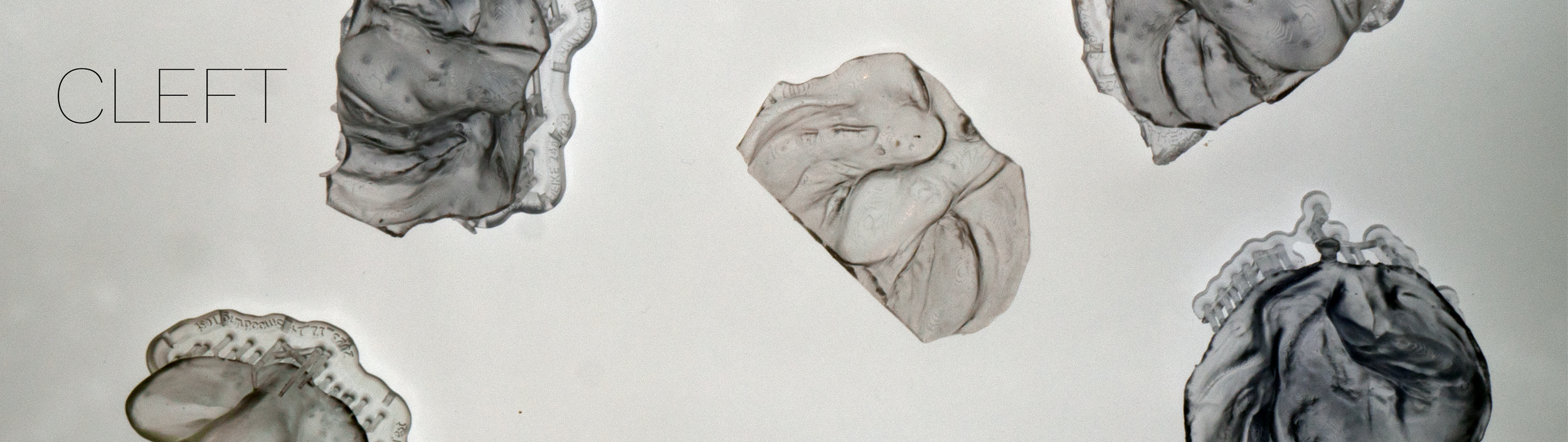
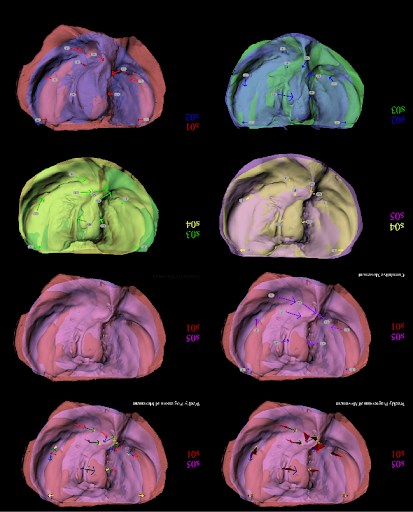
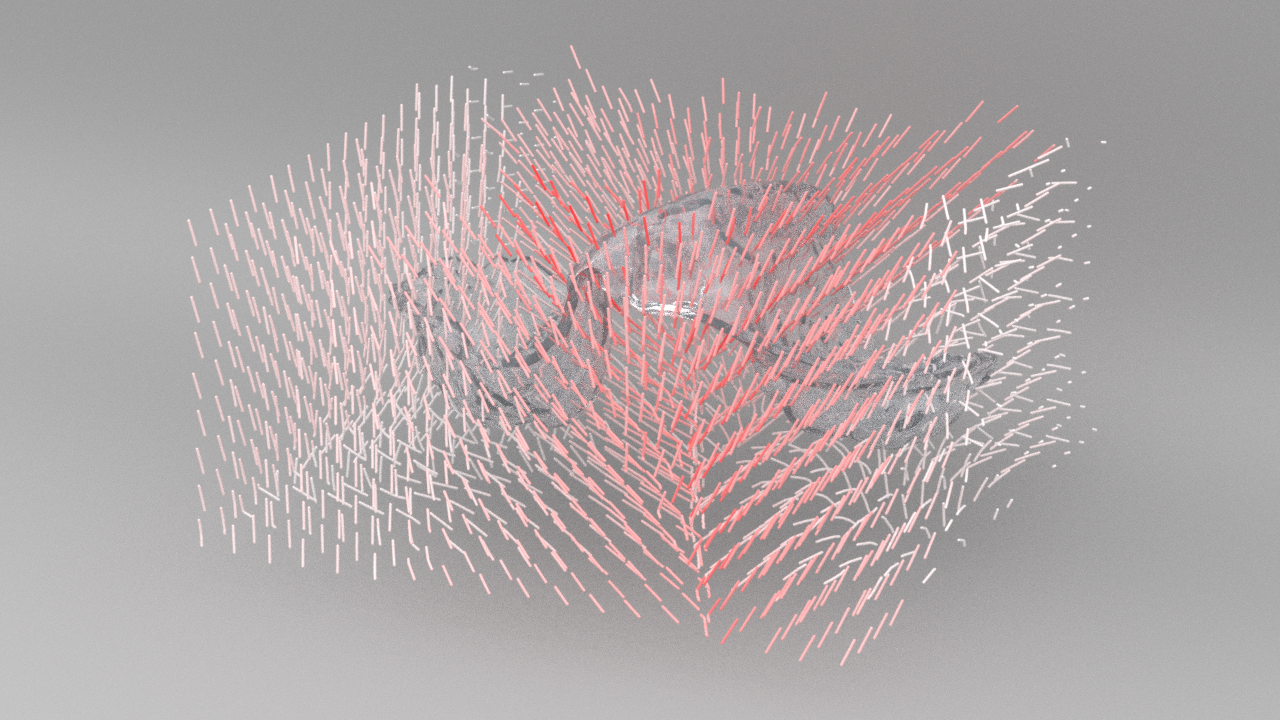
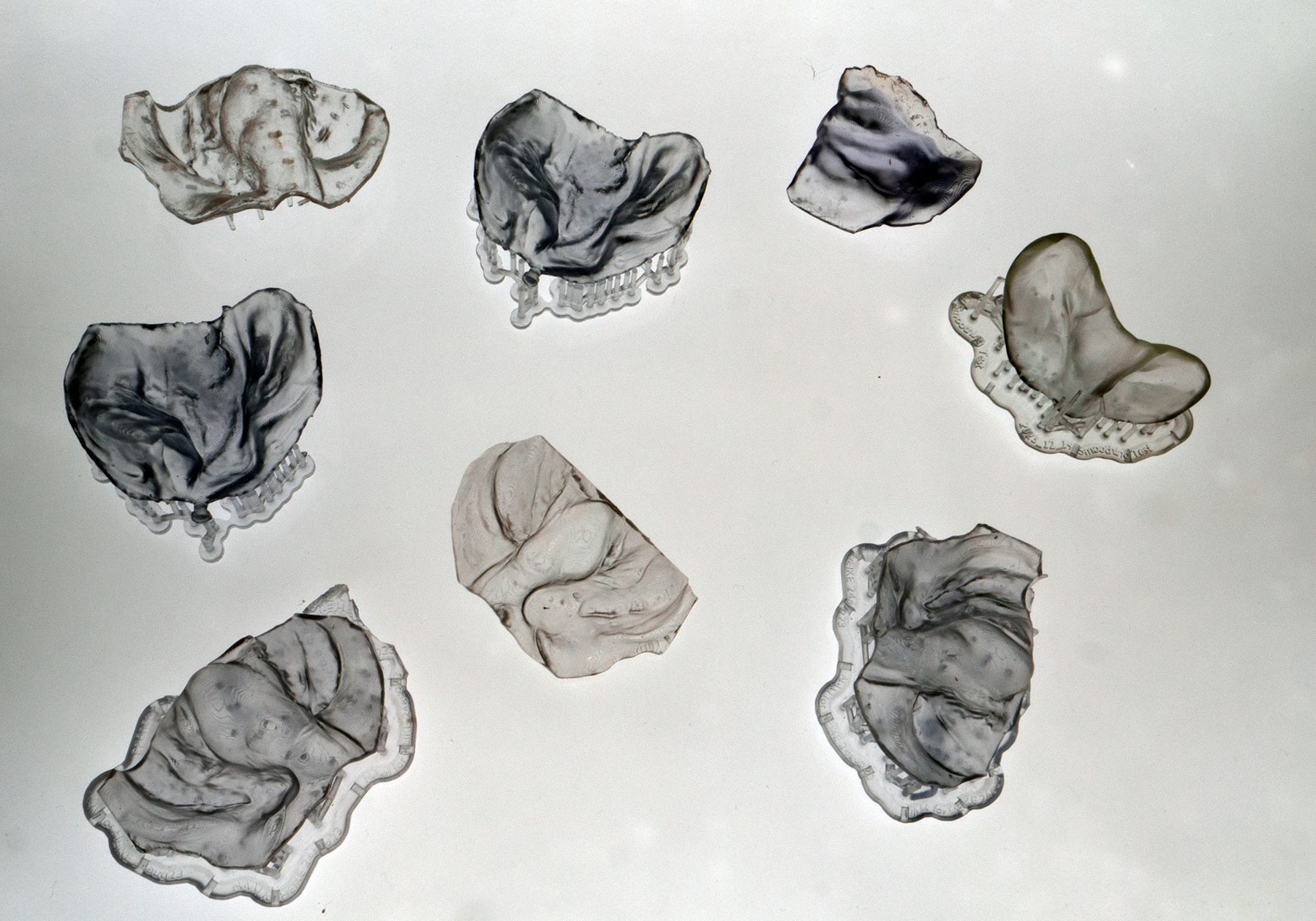
Our digital nasoalveolar molding (NAM) project leverages the power of generative design to transform the way we care for infants born with cleft lip and palate. By analyzing patterns of palatal growth from past patients, we create predictive, patient-informed solutions for future treatments. These digital models, built from billions of data points, allow us to 3D-print custom molding devices with unprecedented accuracy and deliver them anywhere in the world.
Generative design enables us to go beyond simple replication. It allows us to uncover the inherent logic of biological growth and apply it to personalized solutions. This means every device is not only tailored to an individual infant’s anatomy but also informed by the collective data of patients before them. This iterative process, powered by advanced computational tools, turns treatment into a living system—constantly evolving and improving.
This is more than just a technological advancement; it’s a beautiful collaboration between nature and innovation. By digitizing and streamlining the NAM process, we eliminate inefficiencies in traditional methods, improve patient outcomes, and make craniofacial care accessible anywhere in the world. A family in a remote region can now receive the same level of care as one in a major city—delivered through the simplicity of 3D printing.
Potential Patients
180,000
Yearly Market
$100M
Imagine a world where the solutions for one child inspire better care for the next—where technology bridges gaps in access, geography, and understanding.
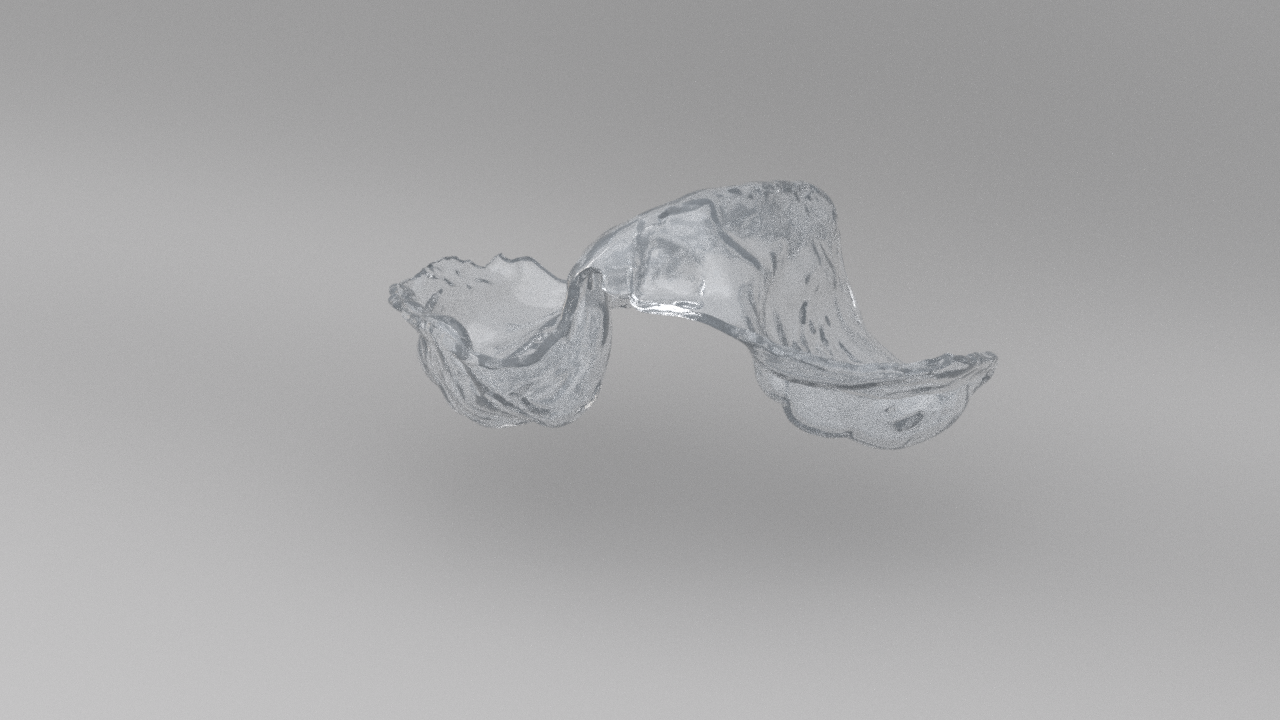
Through generative design and advanced manufacturing, we’re not just creating medical devices; we’re building a system of care that evolves, heals, and inspires.
Funding Needed
$2.5M